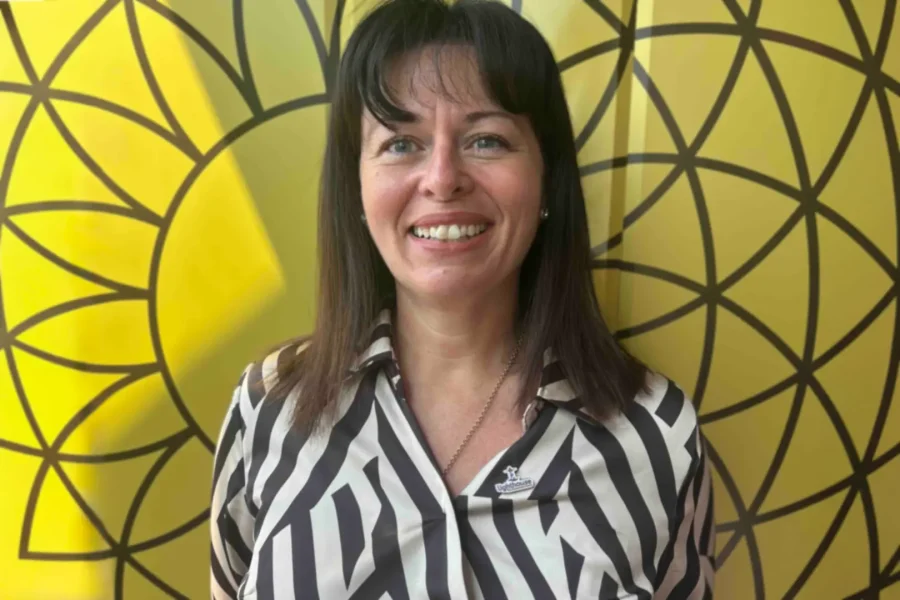
When Sarah Bolton stepped into the role of CEO at The Lighthouse Charity in April 2024, she wasn’t just taking on a leadership position – she was continuing a transformative journey that had already reshaped the way the charity supports the construction industry. Having joined the organisation in 2018 as Wellbeing Manager, and later progressing to Director of Charitable Services, Sarah has played a pivotal role in revolutionising its front-facing support services. Under her leadership, the charity has expanded its reach, broadened its impact, and refined its approach to delivering crucial assistance to construction workers and their families.
A Growing Charity with a Clear Mission
For Sarah and her team, the past year has been a whirlwind of growth and change. “It’s been really busy,” she says. “The growth has been quite unexpected but all in a positive way.”
Unlike Lighthouse International, the Lighthouse Charity operates differently, focusing on offering direct support services to construction workers and their families in the UK and Ireland. These services are funded through individual member donations, annual donations from company supporters, fundraising activities and regional and national event revenue.
The charity’s mission follows a strategic framework, which Sarah refers to as its ‘ABC strategy’: Awareness, Building & Serving Communities, and Continuous Process Improvement.
“We want to amplify our message of support, increase awareness of all aspects of wellbeing and ensure that we reach as many families as possible,” Sarah explains.
Last year alone, the charity provided over £5 million in charitable support, assisting more than 5,000 families. For every pound spent on services, the social value return represented an impressive £12.19, demonstrating the tangible impact of their work.
Mental Health, Wellbeing, and Financial Support
A focus on providing an easily accessible variety of reactive and proactive support services to the industry, is central to the Lighthouse Charity’s efforts. Indeed, Sarah recently featured on the Health & Wellbeing Show podcast with Ben Moss, discussing the charity’s three pillars of support: physical, emotional, and financial.
From counselling services to emergency financial aid and even groceries, the charity aims to provide holistic support for those who are struggling and works to equip them with the soft skills needed to support a sustainable future.
“All aspects of emotional, physical and financial wellbeing are inextricably linked,” Sarah explains. “If people don’t have money, they don’t eat well, and that affects everything. We provide everything from therapy to financial assistance, to ensure workers remain fit and healthy for work.”
This shift towards sustainability is evident in how the charity operates. “When I first joined, it was managed more as a benevolent fund and we distributed annual or monthly grants,” she says. “Now, we focus on a holistic review of every case. If someone needs a washing machine, we don’t just buy them one – we look at why they’re struggling financially and work to get them back on their feet long-term.”
The charity has also been a lifeline for those struggling with long-term injuries, employment instability, and financial hardship. Many workers, especially self-employed tradespeople, lack traditional safety nets. “If someone has an injury that prevents them from returning to their original job, we don’t just offer financial support – we help them transition into a new role within the construction industry, using their existing skills in a different way,” Sarah explains. “Whether that’s training as an instructor, moving into a trade counter role, or finding a related career path, we make sure they have a future.”
In addition to providing essential reactive support through its 24/7 helpline, the charity is heavily focused on wellbeing training, ensuring that construction workers are equipped with the soft skills and knowledge to maintain stability. “We want to stop people from reaching crisis point,” Sarah adds. “That’s why financial education is a major focus for us going forward.”
Addressing the Construction Industry’s Challenges
The construction industry faces several significant challenges, including a skills shortage, job insecurity, and a high suicide rate among workers.
“Many construction workers are self-employed, which means no work equals no pay,” Sarah points out. “If they experience bad weather, contract cancellations, or injuries, they can quickly find themselves in financial distress. We’re here to help them through those challenges.”
She is adamant that breaking the stigma around mental health is vital. “Reaching out for support isn’t weakness, it’s strength. Our industry still struggles with this perception, but we’re working hard to change it.”
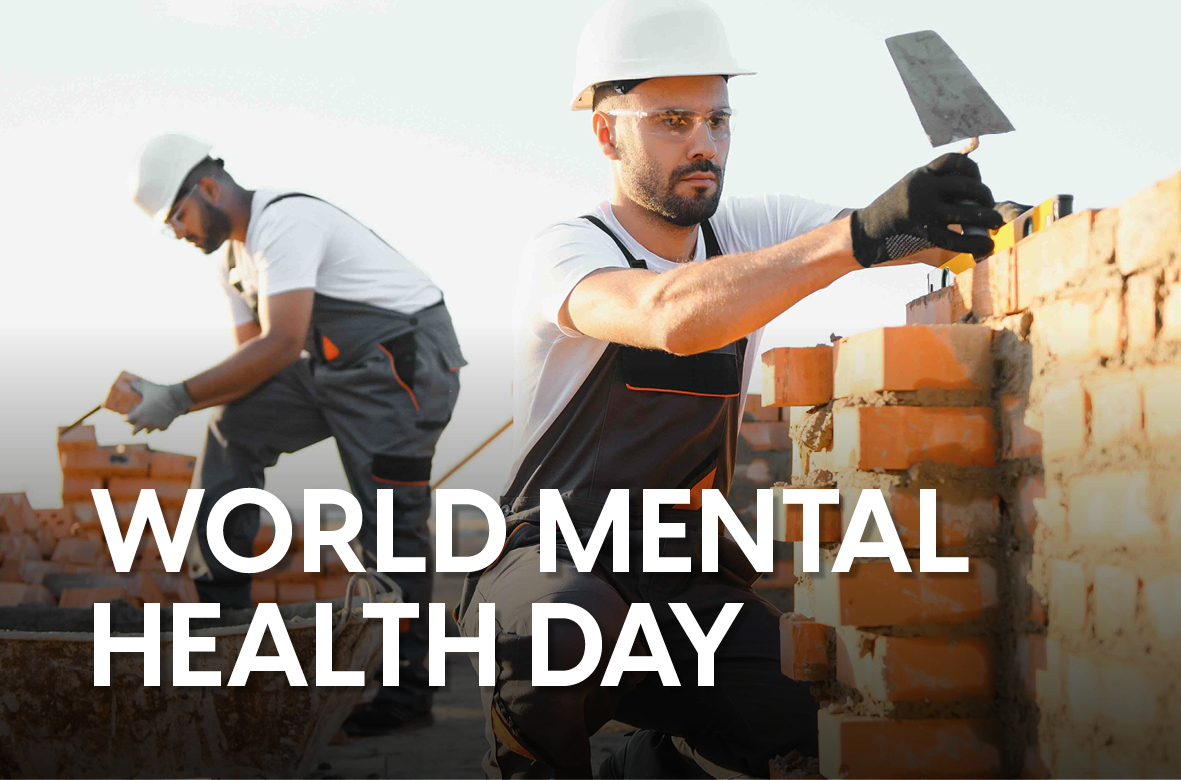
The charity’s #MakeItVisible on-site initiative has been crucial in bridging this gap. “Last year our team visited 572 sites and engaged with over 28,000 workers. Our team all have lived experience with mental health issues and they are able to speak with workers in a down to earth and relatable way,” Sarah says. “It makes all the difference when someone who’s been in their shoes says, ‘I’ve been where you are, and there is help available.’ Last year, this initiative saw our team start conversations with 88 workers who expressed suicidal thoughts to the team. We are pleased to say that as a direct result of speaking with us, those people were immediately directed to support and safeguarding.”
The Lighthouse Charity actively works to improve workers’ financial resilience. “One of the most common issues we see is financial mismanagement due to lack of education on budgeting, credit, and debt,” Sarah notes. “We’re launching new financial literacy training programmes to equip workers with essential money management skills.”
Recruitment, Retention, and the Future of Construction
The construction industry is also facing a workforce crisis. Despite welcoming over 200,000 new workers in 2023, more than 210,000 left due to retirement or career changes, according to figures from the Construction Industry Training Board or CITB.
The skills gap is widening, and businesses are struggling to find suitable talent. “We need to make construction a more attractive career path,” Sarah argues. “There are fantastic opportunities with great salaries and career progression, but we need to do a better job of promoting them – especially to women.”
The Lighthouse Charity is tackling this issue head-on by working with colleges to provide mental health first aid training to both students and tutors. “We started with five London colleges, and now we’re working with institutions across the UK, from Devon to Scotland,” Sarah shares. “We offer e-learning on budgeting, debt management, and financial literacy – things that aren’t taught in schools but are critical for life after graduation.”
As part of its efforts, the Lighthouse Charity works with colleges to ensure young people entering the industry have the support they need.
“We’ve expanded our mental health first aid training for students and tutors across the UK,” Sarah says. “We’re also developing mentoring programmes, connecting experienced professionals with apprentices and young graduates to ensure knowledge transfer within the industry.”
The charity has also grown its educational outreach, introducing a suite of e-learning tools that help young people prepare for the daily challenges of work and home life.
Modules include guidance on budgeting, good versus bad debt, managing income, and understanding financial products – a vital toolkit for those entering the often volatile world of construction work.
Global Support and Regional Networks
With roots stretching back to 1956, The Lighthouse Charity is supported by a network of ‘Regions’ who raise awareness of the charity’s work and manage regional fundraising events.
And while the UK-based charity focuses on direct service provision, the global Lighthouse network continues to promote camaraderie, industry support, and charitable giving through events and local initiatives across Australia, Asia, the Middle East, and other regions where British and Irish construction professionals work.
For Sarah, it’s a reminder that while the Lighthouse Charity in the UK and Ireland drives service delivery, the strength of the Lighthouse mission lies in its community roots.
The Role of Government and the Need for Policy Changes
When it comes to government support, Sarah believes there’s room for improvement. “We’d like to see a directive to make mental health first aid training mandatory, just like physical first aid,” she says. “It should also be embedded into construction bidding and tendering processes, ensuring companies prioritise the well-being of workers.”
She also highlights the housing crisis and mortgage barriers for self-employed workers as key concerns. “We’re seeing more cases of people struggling to keep their homes. With rising mortgage rates and Section 21 no-fault evictions, people are losing their homes despite being in full-time work. That’s incredibly stressful.”
A Vision for the Future
As the Lighthouse Charity moves forward, Sarah and her team are focused on expanding financial education, increasing housing support, and improving sustainability in support services. The charity is looking into potential mentorship programmes that utilise the experience of retiring workers to guide the next generation of construction professionals.
“The future of construction depends on investing in its people,” Sarah says. “That means providing not just short-term aid but long-term solutions to help workers thrive.”
“The future is bright, but there’s a lot of work to do,” she acknowledges.
She’s also looking to increase strategic partnerships across industries and across borders. “We can learn from how other countries support construction workers and adapt those lessons to our own sector,” she notes. “There’s no one-size-fits-all approach, but collaboration can be powerful.”
With Sarah at the helm, the Lighthouse Charity looks set to continue to be a beacon of hope for those working in one of the UK’s most vital yet demanding industries. “We will keep expanding our services, ensuring that construction workers receive the support they need. No one in this industry should feel like they have to face their struggles alone.”
Under her leadership, the Lighthouse Charity is not just growing – it is changing lives, ensuring that those who build our world have the support they need to build a stable future for themselves and their families.
Read the full article on pages 6 to 9 here, along with latest Lighthouse International news.