
Addiction is a powerful, all-consuming force that controls the mind and body. As an addict, you will suffer the day-to-day reality of the cycle of addiction, but you will also suffer the weight of judgement. Many people believe that addiction is a choice, and that the addict could stop if they wanted to. Sadly, this can even come from people close to you, leading you to feel disconnected, isolated and alone.

it's not your fault...
Your addiction does not make you a bad person. And your struggle to get out of the cycle is not a personal failing either. There are factors outside of your control that can make you more prone to addiction:
- Genetics – some people produce less dopamine than others, making them more likely to seek hits
- Upbringing – if a parent was an addict you are far more likely to be one yourself
- Mental health – you may use substances to self medicate
- Traumatic events – substances may be used for escape
Types of addiction
Addiction can come in many forms, and some of them may surprise you.
Substances
- Alcohol
- Nicotine
- Painkillers
- Marijuana
- Drugs
- Caffeine
Behavioural
- Gambling
- Gaming
- Shopping
- Internet & social media
- Sex and porn
- Food
- Exercise
- Work
Emotional & Psychological
- Adrenaline
- Pain
- Love & relationship
- Approval
Denial
Denial is a normal reaction to addiction. It’s a defence mechanism your body puts in place because it doesn’t want to give up the habit that offers the pleasure. To admit to yourself you have a problem, you need to overcome that instinct. You need to use logic over feeling. You might be thinking, ‘Well, I’m not an addict, I don’t sit on park benches with brown paper bags or keep a hipflask at work’, but addiction comes in many forms. Admitting you have a problem is the only way you can start to get help.
The cycle
When addiction has a hold on you, you might feel powerless as you go through what feels like a never-ending cycle. Breaking free might feel impossible, but people manage every day.
1. Craving
The first phase of the cycle is the craving. The substance or behaviour becomes an overwhelming thought, and the urge is relentless. Even when you know you shouldn’t, the temptation wins.
2. Relief
The need is met, and your brain is given the reward it’s looking for.
3. Crash
The crash from the high can bring exhaustion, anxiety, or depression, as well as feelings of guilt and shame.
4. Withdrawals
Being without the substance or behaviour can bring about symptoms of withdrawal, because by now the brain is reliant on this as a source of dopamine. Withdrawal can come in the form of sickness, shaking, sweating, pain, or extreme discomfort. Without that hit, your body feels depleted. Your brain believes it is a need.
5. Back to craving
Your body knows how to find relief from withdrawal. Cravings take over, and the cycle repeats.
the hardest part
We won’t sugar coat it, breaking the cycle is going to feel like the hardest thing you’ve ever done. You will need to commit to 10-14 days of suffering, maybe more, in the withdrawal phase. With a severe addiction, your body is going to react like a desperate, dying animal. After that, emotions that you may have been numbing with addiction will flood in, and the discomfort will continue. If you can weather the storm, it will start to get easier. This period of pain is a commitment to yourself and the life you know is possible – a life free from addiction.
⚠️Important Note – Some severe substance addictions should not be stopped ‘cold turkey’, as your body may shut down. Please seek medical advice before making a drastic change.
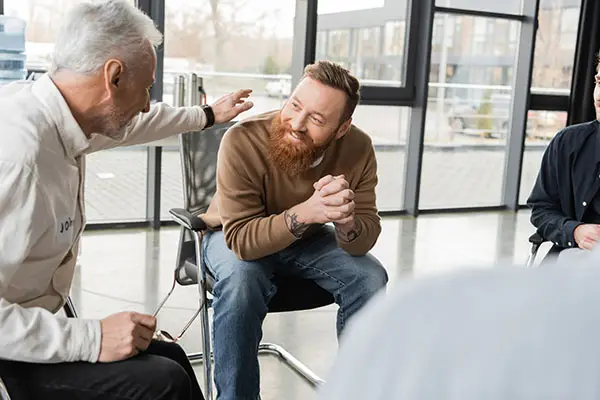
you're not alone
You don’t have to suffer in silence. In an age where we are seeking ‘hits’ of pleasure in more and more forms, addiction is affecting more of the population than you think. There are plenty of non-judgemental groups and forums on hand to offer advice, understanding and support.
It may also be helpful to open up to friends and family. Help them understand how addiction feels for you, and what you need from them. Try to help them see that you deserve respect and compassion, not disapproval.
it's not your fault... but it IS your responsibility
Sometimes life throws challenges your way, and that’s what your addiction is. To get over your addiction and get into recovery, it all has to come from you. You have to acknowledge the problem, find support in therapy and community, and commit to lifestyle changes. You have to want to change, and be dedicated to the process. It won’t be easy, but it will be worth it.
Speak to us if you need more help
If you’re struggling with addiction, please get in touch. This is what we do.
If you live in the UK:
If you live in the Republic of Ireland:
Or click on the Live Chat icon in the bottom left of the page to speak to a member of our helpline staff.