
What you put into your body is the fuel that powers you day-to-day. It can change your mood, affect your energy levels and contribute to your overall health. We all know how important food is, yet most of us are guilty of letting that importance slide. Let’s get back to basics and remind ourselves of some nutrition no-brainers.
Nutrition Basics

Water
We need to drink around 6-8 glasses of water a day to be well hydrated, because water lost from sweating, breathing and urinating all needs to be topped up. Being well hydrated makes our brain work more efficiently, helps our digestive system, and supports organ function.
Five-a-day
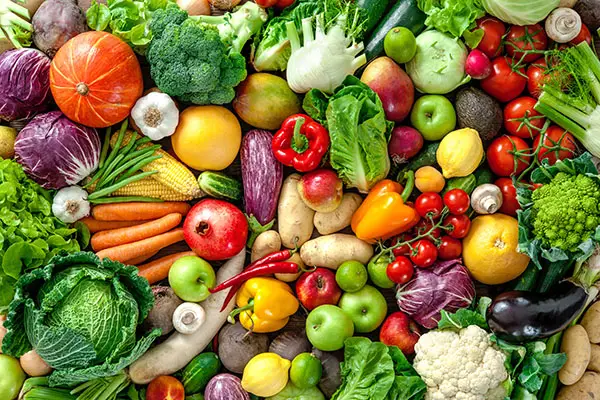
Fruits and vegetables all have different vitamins and minerals, so it’s important to get a good variety in your diet. They also provide the body with fibre – essential for maintaining a healthy gut. Canned, frozen, dried and fresh all count! Don’t let it overwhelm you – a breakfast with a portion of baked beans, some tomatoes and a freshly squeezed juice has three portions!
Reduce junk food
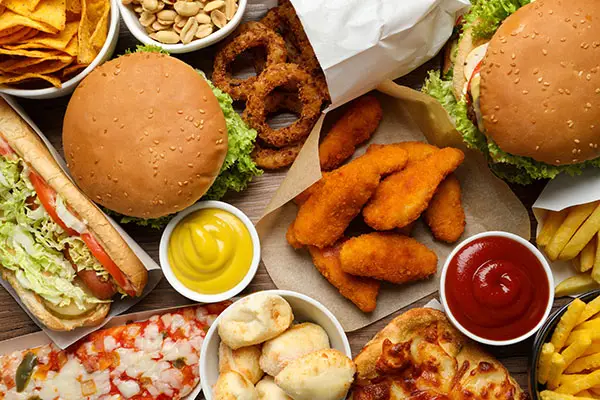
Sometimes it feels so much easier to just get that takeaway, go to the drive-thru or grab something on-the-go. But food like this will be high in salt, sugar and saturated fats. When you feel the urge to make that unhealthy choice, tell yourself to wait 10 minutes to decide. The impulse has often passed!
Eat more beans & fish
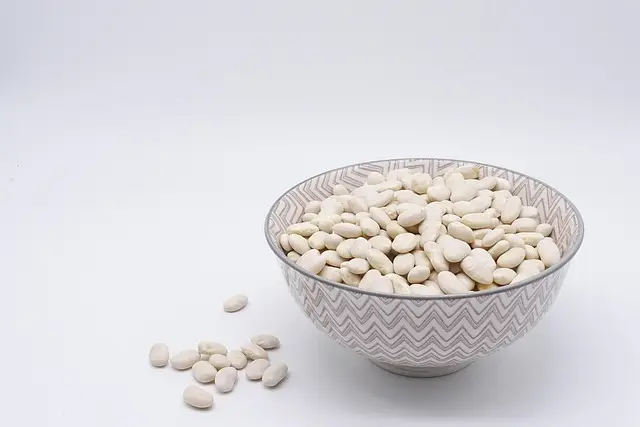
Beans and pulses are high in fibre, low in fat, include vitamins and minerals and are cheap to buy too! Oily fish are one of the best sources of vitamin D and omega-3, as well as lots of other vitamins and minerals. These are both great sources of protein, which means you can reduce the amount of red meat in your diet.
Check the label
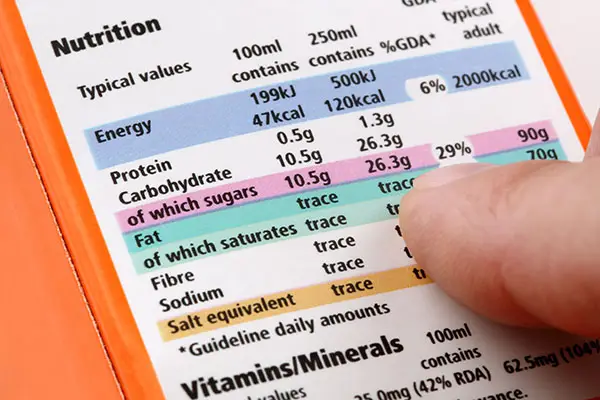
If you’ve never taken control of what you eat before, you may never have looked at food labelling. It turns out that there is a huge amount of information we can use to help us make better choices. Some products have a traffic light system, with more greens equalling a healthier choice. Click here to watch a food label breakdown.

better choices
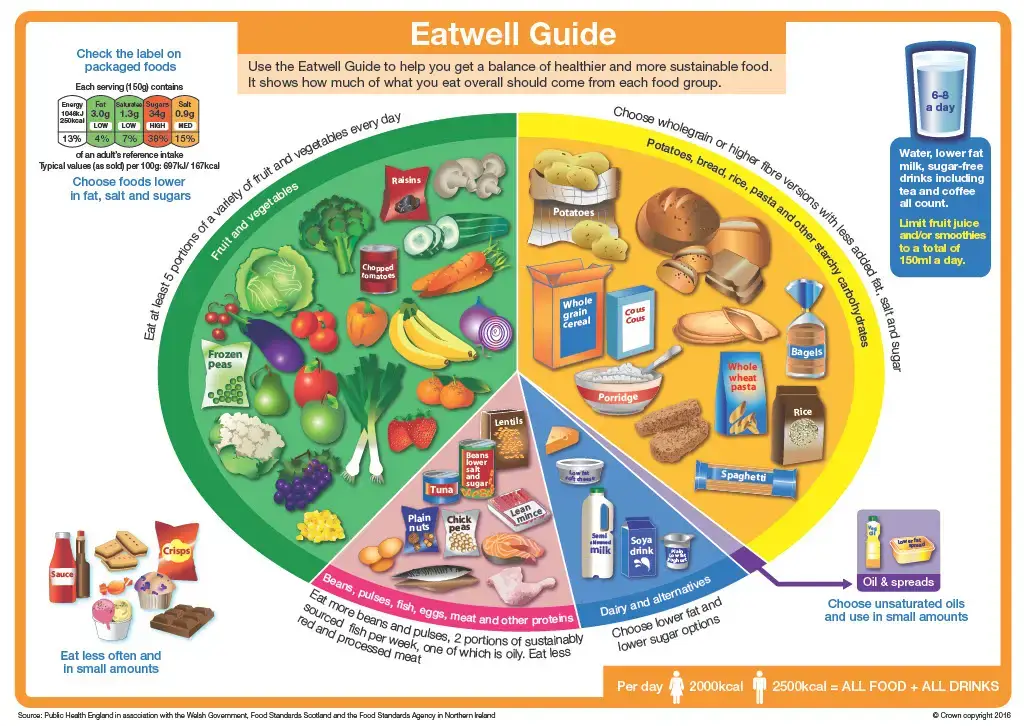
It can be a minefield figuring out what’s healthy and what’s not. But if you choose wholegrain, high fibre foods and try to reduce your salt, sugar and fat intake, you are on the right track. Try not to follow diets that tell you to cut out whole food groups, and don’t be taken in by trends or unresearched ideas. Check out the Eatwell guide below for more information.
The Eatwell Guide
In the UK, dieticians, nutritionists, and scientists all agree on the ‘Eatwell Guide’, a handy pie chart that shows you how much of each food group you need for a healthy diet. Take 2 minutes to have a proper look – this diagram is packed with handy information. Don’t fancy reading? Click here for a helpful video instead.
Eating well on a budget
Eating well doesn’t have to be more expensive! Sometimes we use this as a handy excuse because a diet change sounds like too much work. The truth is, homemade, nutritious meals are cheaper than their unhealthy alternatives.

For example, you go get a pasty for breaktime and after a coffee, sausage roll and a doughnut you’re already at a fiver. That’s one meal!
That same fiver could have bought you the ingredients to make a whole tuna pasta bake plus a jar of coffee, sorting out dinner for a few days and coffee for a month.
penny pinching tips and tricks
- Seasonal fruit and vegetables. Fruit and veg should make up around a third of our diet and thankfully, it’s cheap to buy. Choose seasonal vegetables for the cheapest option, but canned and frozen are also very reasonable, and last longer. (Make sure to check that vegetables are canned in water, not saltwater, and fruit is in juice rather than syrup).
- Starchy foods can be bought in bulk. The second largest section of the Eatwell guide, starchy carbohydrates normally have a long shelf life, so you can buy these ingredients more cheaply in bulk. Top tip: freeze your bread for toasting to avoid waste!
- Add beans and lentils to make a dish go further. They’re incredible sources of protein, fibre and vitamins and they will bulk a meal out cheaply!
- Choose cheaper cuts of meat. Meat is normally cheaper when it requires extra preparation, or it’s not a popular cut. Why not choose skin-on, bone-in chicken for a cheaper source of protein.
- Use food waste apps. Look up apps like ‘Olio’ or ‘Too good to go’ – they link shops and customers together to prevent food waste, offering up food that can’t be sold the next day. The savings can be huge!
- Cook from scratch. Not only do you know exactly what you’re putting in, but meals from scratch are far cheaper than ready-meals.
- Cook more and freeze. It doesn’t take that much more effort to double up a meal. This will prevent waste and give you a go-to freezer meal.
- If you go for the odd takeaway, make the sides. Why not try to make a batch of rice or noodles while you wait?
- Compare shops. They will vary in price. Find the cheapest in your area for consistent money-saving.
- Think about the time you have. The more time you’re prepared to give to your health and diet, the cheaper you can make it. Many of us feel too busy for food preparation, but a little input can save your health and your wallet.
Cheap & Healthy Recipes
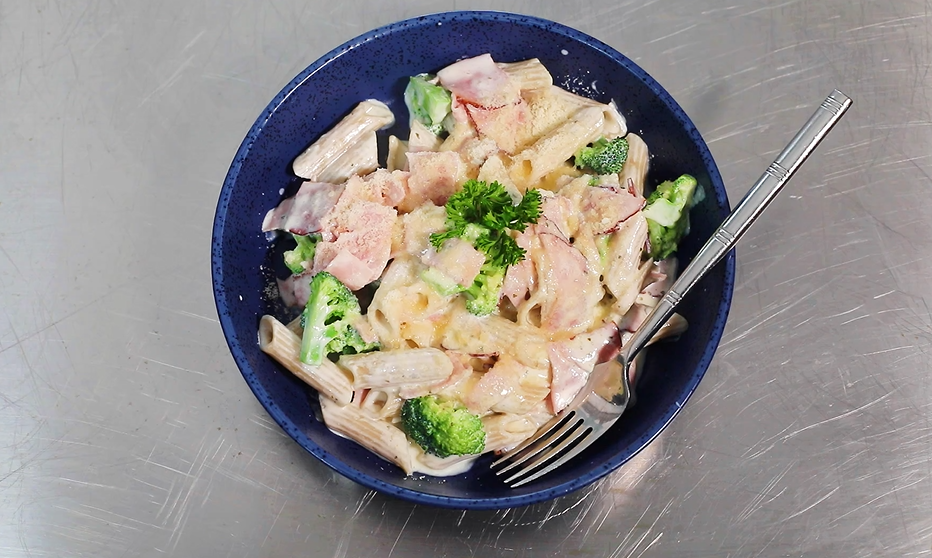
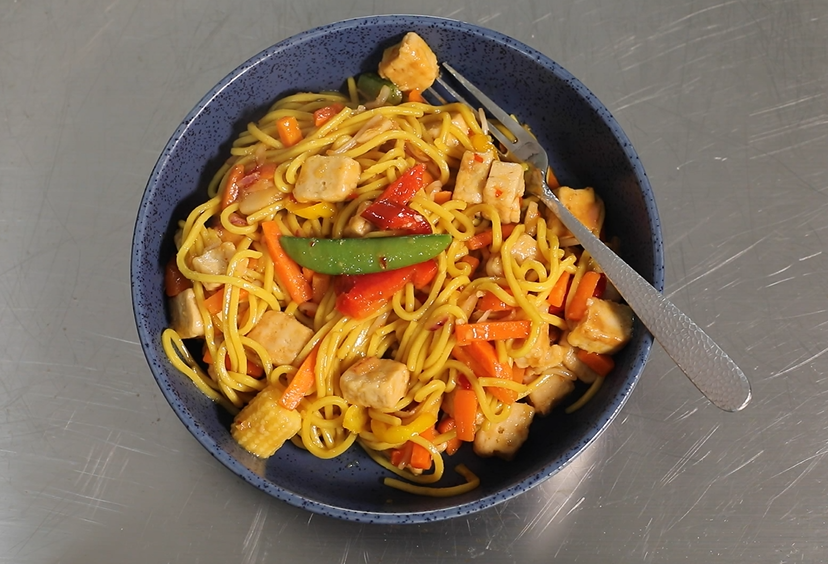
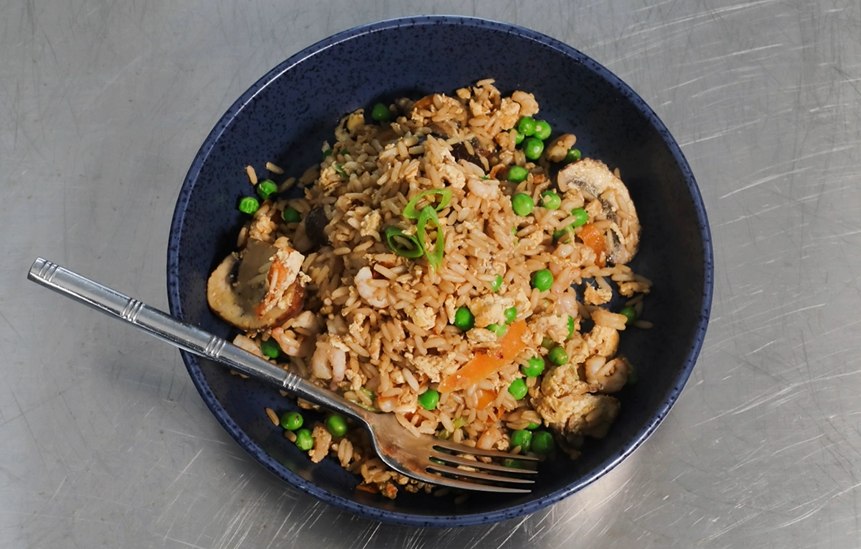
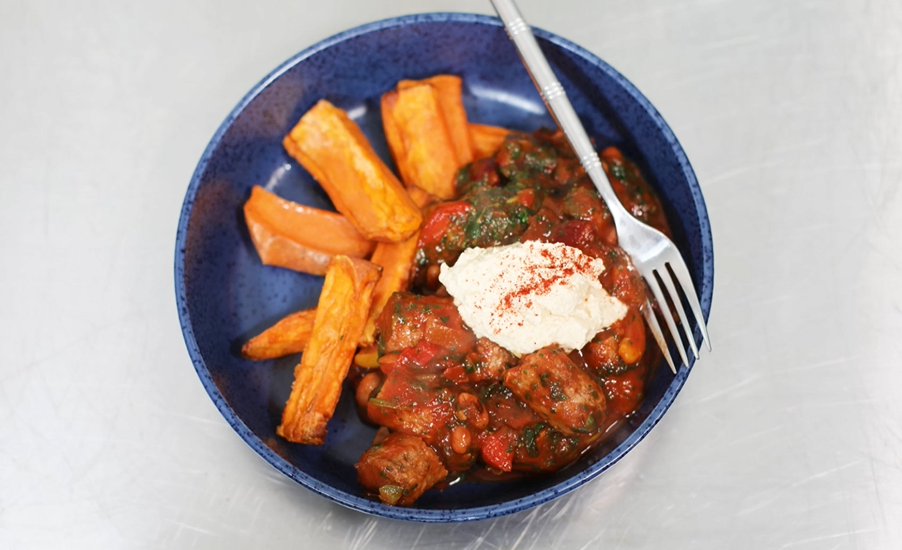
Lighthouse have partnered with Ellen from HealthAspire to bring you some cheap and healthy dishes that are easy to make. Choose one you fancy below and follow Ellen’s easy, step-by-step guidance.

Unhealthy eating - it leads to disease
Bad habits are hardest to kick when we can’t see the why. When we eat bags of crisps, greasy pasties and jam doughnuts we feel great in the moment, and don’t feel too different the next day. The key is to think about your long-term health. Below are some of the diseases and problems that can arise with an unhealthy diet.
- High blood pressure
- High blood glucose
- High cholesterol
- Obesity
- Diabetes
- Heart disease
- Stroke
- Bowel cancer
Resources: Nutrition for Productivity: Fuelling Your Workday for success
If you’d like to know more about fuelling yourself for productivity, you can take our Nutrition for Productivity course through our Wellbeing Academy.
Knowledge is power
With so many health issues arising when you’re overweight, it’s handy to know where you are on the scale.
Speak to us if you need more help
If you’d like more advice on diet and nutrition please get in touch. This is what we do.
If you live in the UK:
If you live in the Republic of Ireland:
Or click on the Live Chat icon in the bottom of the page to speak to a member of our helpline team.