
Sleep can be such a treat – but it can also break you when you’re not getting enough. We spend around a third of our life sleeping, so it makes sense to get it right. Research into sleep science has developed a lot over the years, and we’re going to dig into the topic below.
What do we know about sleep?
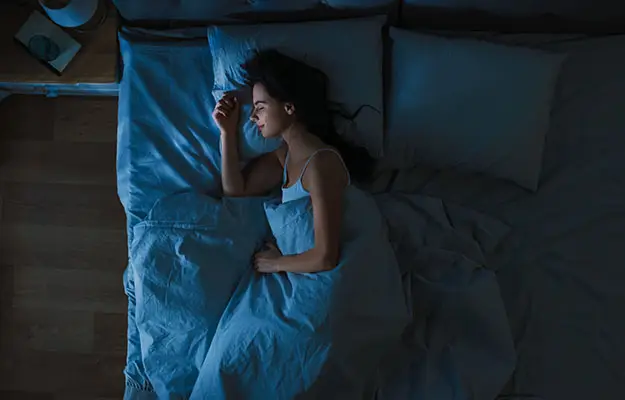
Our bodies naturally want to be awake during the day and to sleep at night — this natural tendency is called the ‘circadian rhythm’. The circadian rhythm is hard to change and explains why adjusting to a late-night work schedule can be difficult.
Sleep happens in five stages, each progressively involving a deeper level of rest. It is during the fifth stage, the ‘Rapid Eye Movement’ or REM stage, that most dreaming happens.
How much do we need?
We’ve all heard that we need around 8 hours of sleep at night, which isn’t far off the truth. More realistically, the amount of sleep needed for good health and optimum performance mostly depends on the person. In other words – trust how you feel.
If you’re not waking up refreshed after 8 hours, maybe you’re someone who needs more like 9 or 10. On the other hand, if you feel great after just 5/6 hours, this may be all you need.
Quality Sleep - Environment
Your head hits the pillow at 10pm, the alarm goes off at 6am, why don’t you feel refreshed?
It’s all to do with the sleep phases we talked about above. There are so many external factors that could be affecting your sleep quality, and your ability to cycle through the phases properly. Give yourself a fighting chance! Sort out your environment for a simple way to maximise sleep.
Dark
Quiet
Cool
Comfy
Tidy
Strict
- Make it dark – this one is crucial. If streetlights or moonlight flood in around the edge of curtains, consider installing blackout blinds. Try removing any gadgets that emit light, such as TVs or consoles. Set your phone to sleep mode so that it doesn’t flash with notifications. The darker the better!
- Make it quiet – even if you think you’re out for the count, sounds can pull you out of key deep sleep phases. Make sure to limit noise that’s within your control. If you get a lot of street noise, consider earplugs or a soothing sound like white noise to block it out. (More recent research also recommends ‘pink noise’).
- Make it cool – even though we associate warmth with being cosy, a cool room is best for quality sleep. An open window is a great way to get cool, fresh air, but be mindful of adjusting to avoid outside noises.
- Invest in your bed – investing in your sleep environment is an investment in your wellbeing. Mattresses are expensive, but they are at their best for just 9-10 years. After that, you might need a new one. The same goes for your bedding – make your bed a clean, comfortable and appealing place to be.
- Tidy up – a tidy environment reduces stress, and naturally, less stress makes for better sleep.
- It’s a bedroom for a reason – it’s not the office or the kitchen. Try not to take your laptop or work to bed, and ideally keep TV watching to the lounge. You want to walk into your bedroom and associate it with sleep.
Quality Sleep - Prepare
Screens
Routine
Naps
Baths
Read
Caffeine
Alcohol
- Reduce screen time – at least an hour before sleeping – the light in screens trick the body into thinking it’s still light, and not bedtime.
- Have a regular sleep routine – we are creatures of habit. We operate best when we have a consistent bedtime and morning alarm.
- Take power naps – without going too deeply into the science, a 20 minute nap is ideal. Any longer and you’ll wake up groggy, and it’ll be more difficult to fall asleep at night.
- Hot baths – we don’t all have the luxury of a bath tub or the time to really relax in one, but if you can – it is proven to be a great way to wind down before bed.
- Reading – getting lost in fiction before bed helps the brain to relax and escape from the pressures of daily life.
- Don’t drink caffeine – even though you may not think you’re affected, caffeine shortens your deep sleep phases. Try to avoid it in the evenings.
- Avoid alcohol – it can be tempting to use alcohol as a way to fall asleep more easily but beware, it blocks the REM cycle – the most restorative phase of sleep.
Good sleep vs Bad sleep - The effects
Issues
- More likely to be obese
- Brain function declines
- Difficulty concentrating
- Poor memory
- Headaches
- Hypertension
- Diabetes
- Heart Attack
- Stroke
Benefits
- Lowers the stress hormone cortisol
- Improves testosterone levels
- Improves your immune system – you’re less likely to get ill!
- Helps improve learning
- Lowers the risk of developing depression
- Fewer cravings, more appetite control
- Increases our empathy and social skills
- Improves athletic performance
Life can get in the way
It’s all very well giving you sleep tips and tricks, but if you are struggling with larger issues that are keeping you awake at night, this can all feel a bit pointless. We totally understand.
Things like stress, anxiety and depression play a huge part in your ability to fall asleep. Health issues, anger and all of life’s larger problems. If you think you need help with any of these things, please feel free to visit our dedicated help pages, or get in touch with us using the details below.
Sleepstation® - your free sleep tool
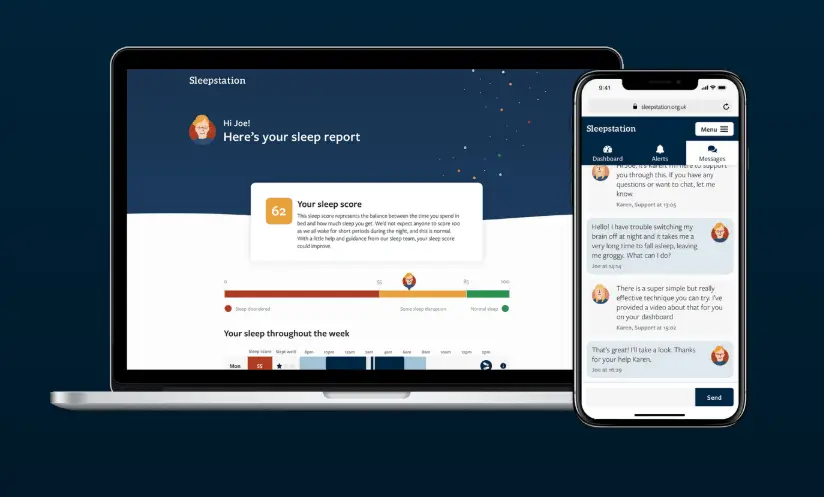
Lighthouse have partnered with Sleepstation – a platform that combines psychology and sleep science with dedicated support to help you get the best sleep possible. This incredible tool is absolutely free for people working in construction and their families.
If you’re prepared to put in a little effort, Sleepstation and their team of sleep coaches will design a sleep improvement plan specific to you.
Knowledge is power
Life can take it out of you, and we’re all tired sometimes. But how long has it been that you’ve been feeling tired all the time? If you’re wondering whether you might be having more difficulty getting to sleep than usual, it might be helpful to see if it has become a sleep problem.
Speak to us if you need more help
If a lack of sleep is taking a toll on your wellbeing, please get in touch. This is what we do.
If you live in the UK:
If you live in the Republic of Ireland:
Or click on the Live Chat icon in the bottom of the page to speak to a member of our helpline team.